ICACSIS 2026 Speakers
KEYNOTE Speakers

Prof. Rajkumar Buyya
Fellow of ACM, IEEE, and Academia Europaea
Director, Cloud Computing and Distributed Systems (CLOUDS) Lab
CEO
The University of Melbourne, Australia
Manjrasoft Pvt Ltd, Melbourne, Australia
Australia
Dr. Rajkumar Buyya is a Redmond Barry Distinguished Professor and Director of the Quantum Cloud Computing and Distributed Systems (qCLOUDS) Laboratory at the University of Melbourne, Australia. He is also serving as the founding CEO of Manjrasoft, a spin-off company of the University, commercializing its innovations in Cloud Computing. He has authored over 850 publications and seven textbooks including “Mastering Cloud Computing” published by McGraw Hill, China Machine Press, and Morgan Kaufmann for Indian, Chinese and international markets respectively. Dr. Buyya is one of the highly cited authors in computer science and software engineering worldwide (h-index=181, g-index=394, i10-index=891, and 172,600+ citations). A bibliometric study by Stanford University and Elsevier since 2019, Dr. Buyya is recognized as the Highest-Cited author in the Distributed Computing field worldwide. He graduated 66+ PhD students who are working in world-leading research universities and high-tech companies such as Microsoft, Google, and IBM. He has been recognised as an ACM Fellow, IEEE Fellow, Fellow of the Academy of Europe, a “Web of Science Highly Cited Researcher” for seven times since 2016, the “Best of the World” twice for research fields (in Computing Systems in 2019/2024 and Software Systems in 2021/2022/2023) as well as “Lifetime Achiever” and “Superstar of Research” in “Engineering and Computer Science” discipline twice (2019 and 2021) by the Australian Research Review.
Software technologies for Grid, Cloud, Fog, Quantum computing developed under Dr.Buyya’s leadership have gained rapid acceptance and are in use at several academic institutions and commercial enterprises in 60+ countries around the world. Manjrasoft’s Aneka Cloud technology developed under his leadership has received “Frost New Product Innovation Award”. He served as founding Editor-in-Chief of the IEEE Transactions on Cloud Computing. He is currently serving as Editor-in-Chief of Software: Practice and Experience, a long-standing journal in the field established in 1970. He has presented over 750 invited talks (keynotes, tutorials, and seminars) on his vision on IT Futures, Advanced Computing technologies, and Spiritual Science at international conferences and institutions in Asia, Australia, Europe, North America, and South America. For further information on Dr.Buyya, please visit his cyberhome: www.buyya.com
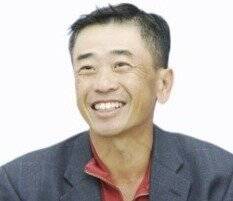
Prof Simon See
Director
NVIDIA AI Technology Center
US
Professor Simon See is currently the Solution Architecture and Engineering Senior Director, Chief Solution Architect & Global Head for Nvidia AI Technology Center, NVIDIA Corporation. He is also a Professor at Shanghai Jiao Tong University, Professor in Beijing University of Posts and Telecommunications (BUPT), and Professor in Universitas Indonesia (UI). He is being conferred as a Distinguished Fudan Scholar in September 2018 by Fudan University, Shanghai, China. Previously Professor See is also the Chief Scientific Computing Advisor for BGI (China) and has a position in Nanyang Technological University (Singapore) and King-Mong Kung University of Technology (Thailand). Professor See is currently involved in a number of International computational, mathematical science projects and national AI initiatives. Recently Dr Simon has been appointed as the Executive Director of the ASEAN Applied Research Centre (AARC). His research interests are in the area of High-Performance Computing, Big Data, Artificial Intelligence, Machine Learning, Computational Science, Applied Mathematics and Simulation Methodology. Professor See is also leading some of the AI initiatives in the Asia Pacific. He is a Steering Committee member of NSCC’s flagship High Performance Computing Conference Supercomputing Asia (SCA) since March 2018. He has published over 200 papers in these areas and has won various awards.
Professor See is a Fellow member of IET, Chairman of TaskForce of IEEE’s CIS Neural Networks Technical Committee, a member of IEEE, SIAM, AAAI, SCS, and also on the Advisory Team of AIP (AI Professional Association), International Advisory Board of Institute of Operations Research & Analytics (IORA), Advisory Team of Machine Intelligence and Data Analytics Research Centre (MIDARC), School of Computing Sciences (India) and Board of Studies, MS Tech Programs of Mahindra University, Editorial Board Member of Journal of Computational and Cognitive Engineering (JCCE), and the committee member of more than 50 conferences.
Professor See graduated from the University of Salford (UK) with a Ph.D. in electrical engineering and numerical analysis in 1993. Prior to joining NVIDIA, Dr. See worked for SGI, DSO National Lab. of Singapore, IBM, International Simulation Ltd (UK), Sun Microsystems and Oracle. He is also providing consultancy to a number of national research and supercomputing centers.
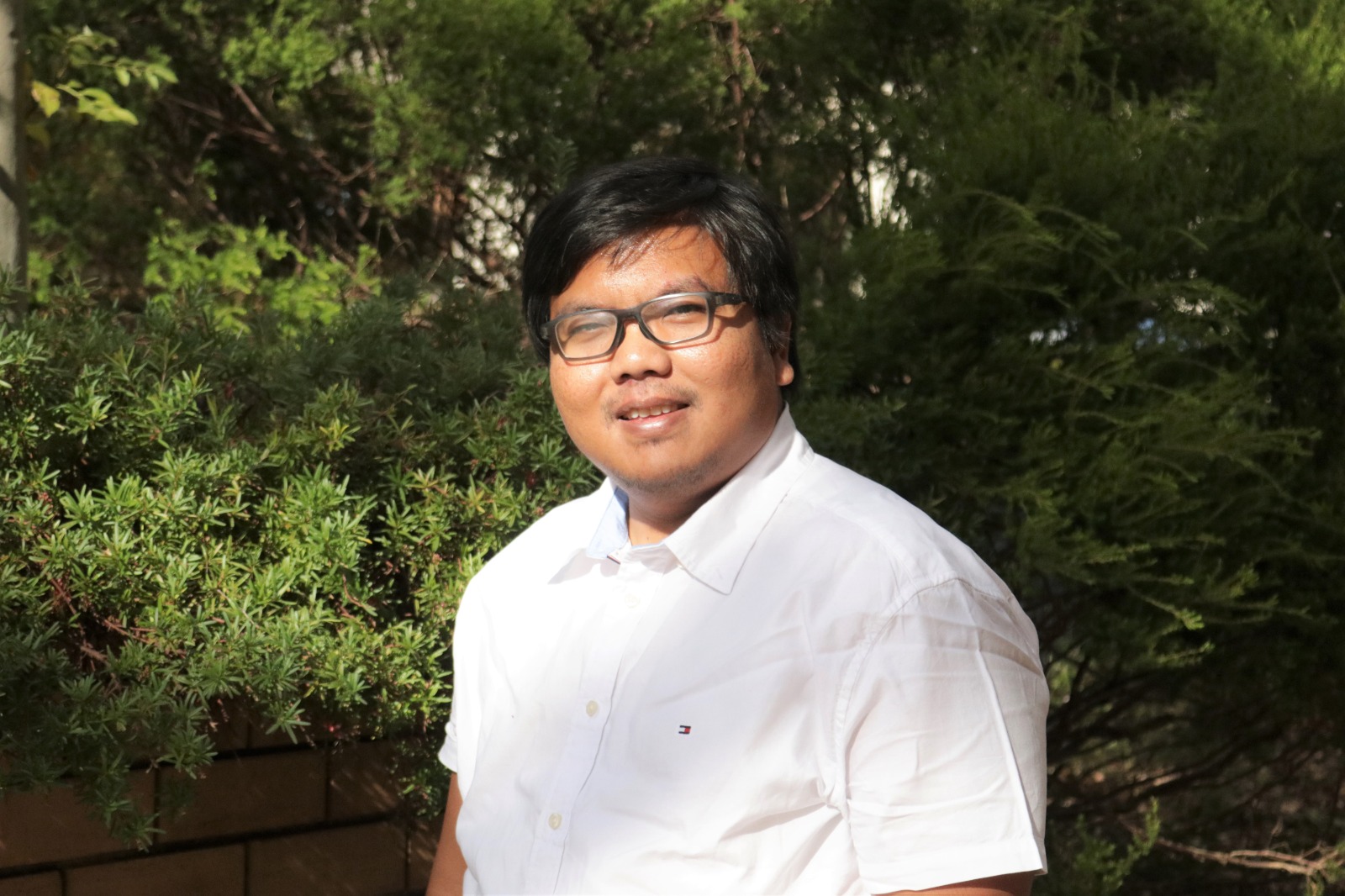
Prof. Mahardhika Pratama, Ph.D.
Associate Professor & Enterprise Fellow in Artificial Intelligence
Adelaide University
Australia
Professor Mahardhika Pratama is an Associate Professor (Reader) and Enterprise Fellow in Artificial Intelligence at the School of Computer Science and IT, Adelaide University, Australia, and an Adjunct Professor at Institut Teknologi Sepuluh Nopember (ITS), Indonesia. He is a Senior Member of the IEEE and has held academic positions at leading universities in Australia and Singapore, including the Adelaide University, Nanyang Technological University, La Trobe University, and the University of Technology Sydney.
His research expertise lies in Artificial Intelligence and Machine Learning, with particular emphasis on continual learning, stream learning, few-shot learning, domain adaptation, online learning, and fuzzy neural networks.
Professor Pratama has led and contributed to major research initiatives funded by the Australian Research Council (ARC), SmartSat CRC, Defence Science and Technology Group (DSTG), A*STAR, the National Research Foundation of Singapore, and industry partners. His recent research includes spacecraft autonomy and onboard AI, collaborative autonomy for complex space systems, and dynamic optimization of satellite constellation resources.
He has an extensive publication record in internationally recognized journals and conferences, including IEEE Transactions on Neural Networks and Learning Systems, IEEE Transactions on Fuzzy Systems, Information Sciences, and Knowledge-Based Systems. His research achievements have received international recognition, including the 2024 Outstanding Associate Editor Award from IEEE Transactions on Neural Networks and Learning Systems and the 2019 IEEE Transactions on Fuzzy Systems Publication Award.
Beyond his research, Professor Pratama is an active contributor to the global academic community through editorial leadership, postgraduate supervision, conference organization, and international scholarly engagement. He currently serves as a Senior Editor and Associate Editor for several leading Q1 journals and as a program committee member for major international conferences, including IJCAI, ICLR, ICCV, ECML PKDD, AAAI, and CIKM. He has also delivered numerous keynote and invited presentations internationally on Artificial Intelligence, Machine Learning, data streams, and related areas.

DR. M. FAUZAN ADZIMAN, S.T., M.ENG.
Director General of Research and Development of the Ministry of Higher Education, Science, and Technology
Ministry of Higher Education, Science, and Technology
Indonesia
Fauzan is a leading Indonesian technocrat with extensive international
experience as a deep- tech technopreneur at the convergence of cuttingedge research, sovereign finance, and government policy. He earned distinguished degrees – awarded the Ganesha Prize 2003 (Best B.Eng. Graduate) from Institut Teknologi Bandung, the Miura Award 2007 (Best M.Eng. Graduate) from Tokyo Institute of Technology, and a prestigious Zienkiewicz Ph.D. fellowship from the Zienkiewicz Centre for Modelling Data & Artificial Intelligence, UK. He subsequently served over 11 years at the University of Oxford in academic roles including Lecturer and Senior Research Fellow. He received the University of Oxford’s Excellence Award for successfully leading Oxford’s technology transfer efforts at the international level.
He co-founded the University of Oxford spin-out Alloyed Ltd (valued
at over Rp 2.2 trillion in 2024 and recognised as the fastest-growing
spin-out industry in the UK by the Royal Academy of Engineering’s
Spotlight on Spinouts report for two consecutive years, 2023- 2024).
He has served as Adjunct Professor at Institut Teknologi Bandung
for the past 8 years. Since January 2025, Fauzan has served as Director General of Research and Development at Indonesia’s Ministry of Higher Education, Science, and Technology, embodying Indonesia’s “Triple Helix” model that links industry, academia, and government.
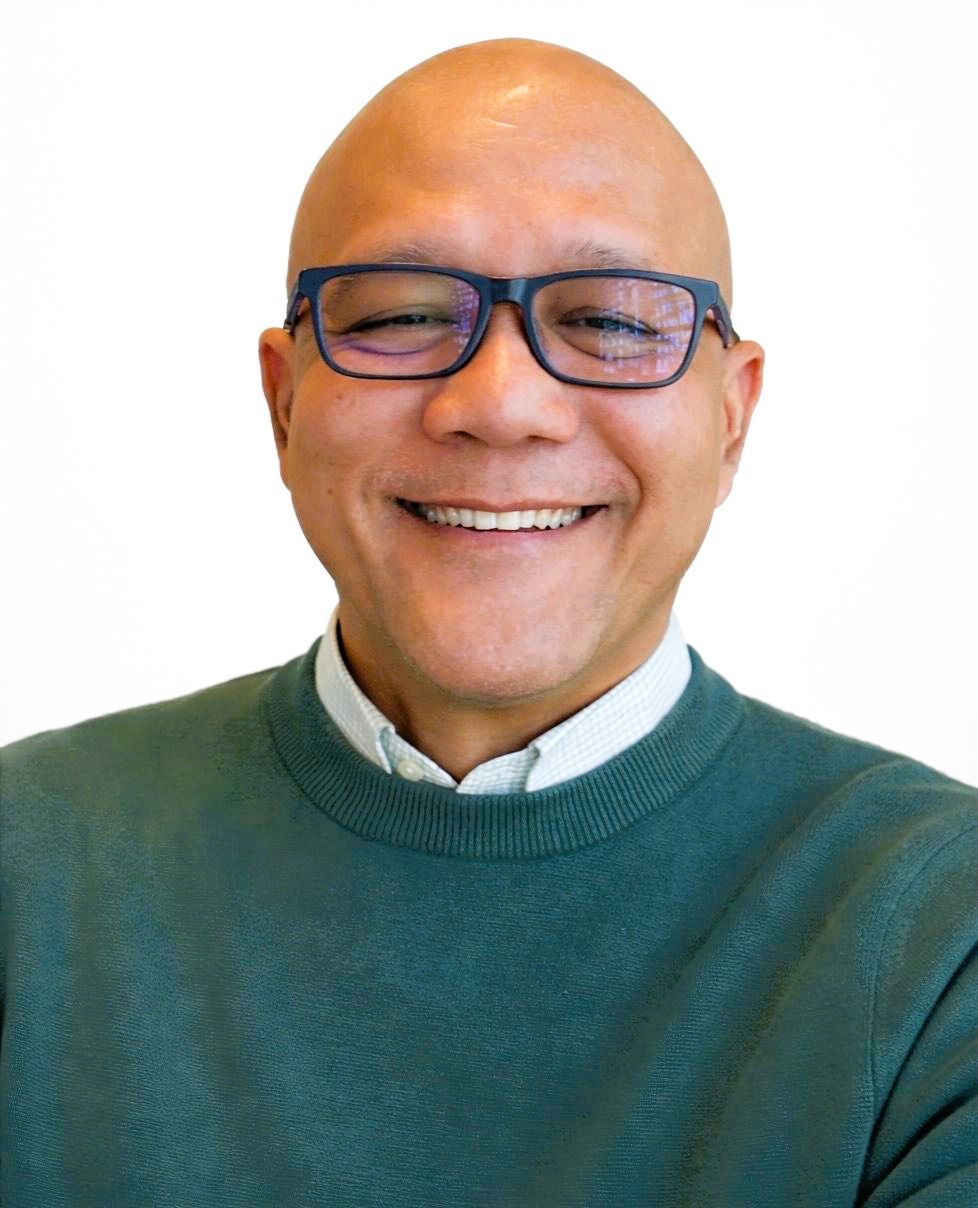 Prof. T M Indra Mahlia
Professor of Civil and Environmental Engineering
University of Technology Sydney
Australia
Professor T M Indra Mahlia is an Australian engineer and a Highly Cited Researcher in the field of Engineering. Currently serving as a Distinguished Professor at the School of Civil and Environmental Engineering, University of Technology Sydney (UTS). He is a key core member of the University’s prestigious Centre for Water and Wastewater Technology (CTWW).
Professor Mahlia’s research interests span a wide range of areas, including Techno-Economic Analysis, Life-Cycle Assessment, Life-Cycle Cost, Cost-Benefit Analysis, Water-Energy Nexus, and Energy & Fuels.
His dedication to advancing knowledge in these domains has secured over $6 million in funding for numerous projects supported by government and industrial organisations.
Recognised for his exceptional scholarly achievements, Professor Mahlia has consistently been named a Highly Cited Researcher in Engineering by Clarivate Analytics from 2017 to 2022. Furthermore, The Australian acknowledged his leadership in Sustainable Energy (Engineering & Computer Science) in a special report published in 2019 and 2025.
Since assuming his role as a Distinguished Professor at UTS in 2018, Professor Mahlia has exhibited a keen interest in mentoring early-career researchers. His guidance and support have been instrumental in fostering the success of his students and fellows.
With his research accomplishments and dedication to nurturing the next generation of scholars, Professor T M Indra Mahlia continues to inspire and shape the field of Engineering, leaving an indelible impact on sustainable energy and environmental engineering.

CHAIRUL HUDAYA, PH.D.
Director of the National Research and Innovation Agency
Universitas Indonesia
Indonesia
Chairul Hudaya, Ph.D, is the Director of the Directorate of HighImpact Innovation and Research at Universitas Indonesia, a role he has held since December 2024. He is also an Assistant Professor in the Department of Electrical Engineering, Faculty of Engineering, Universitas Indonesia. He earned his Bachelor’s degree from Universitas Indonesia, his Master’s degree from Seoul National University, and his Doctorate from the University of Science and Technology, Korea Institute of Science and Technology (UST-KIST) campus, where he was also a research student from 2011 to 2016.
Dr. Hudaya brings extensive academic leadership and research management experience. He served as Rector of Sumbawa University of Technology (2020-2024), Head of the Department of Interdisciplinary Engineering at UI, Head of the Energy System Engineering Master’s Program, and Head of the Energy Conversion Laboratory. He was also Finance and Grant Manager at the Center for Collaborative Research SMART CITY UI, a USAID-funded project under the SHERA program. Beyond academia, he is a member of IEEE, Chairman of Stakeholders, Policy, and Regulation at the Indonesia Smartgrid Initiative (PJCI), and an Associate Assessor of Electrical Distribution Systems at the Electrical Competence Certification Agency (KAGATRIK).
INVITED Speakers
Dr. Karel Juryca
Lecturer at the Faculty of Electrical Engineering and Informatics
University of Pardubice
Czech Republic
Dr. Karel Juryca is a researcher and lecturer at the Faculty of Electrical Engineering and Informatics, University of Pardubice, Czech Republic. His research interests include radar signal processing, primary and passive radar systems, bistatic radar, clutter modeling, Doppler and micro-Doppler analysis, target detection, and the analysis and mitigating wind turbine effects on radar systems.

MUHAMMAD ANWAR MA’SUM, S.KOM., M.KOM., PH.D
Researcher
Adelaide University
Australia
Dr Anwar is a researcher in artificial intelligence and machine learning, working on both fundamental and applied AI/ML areas. He is
now working as a research fellow at the Industrial AI (IAI) Research
Centre, Adelaide University, particularly on Spacecraft Autonomy and
Onboard Artificial Intelligence (AI) for the Next Generation Space
Systems (SCARLET-α) project, a collaborative consortium project
between the SMARTSAT cooperative research centre (SMARTSATCRC), Defence Science and Technology Group (DSTG), Adelaide University, Deakin University, Swinburne University of Technology, and
industrial partners, i.e., Saab and BAE Systems.
He received his PhD from the University of South Australia in 2025 (now Adelaide University). His doctoral research focused on continual learning and its sub-problems, addressing catastrophic forgetting of deep neural networks in dynamic and distributed environments under various constraints, i.e., rehearsal-free, data scarcity, label unavailability, streaming data, privacy-preserving, and limited communication bandwidth. His research has been applied to vision data, including remote sensing images and time series data. Previously, he received his bachelor’s and master’s degrees from Universitas Indonesia, where both his bachelor’s and master’s studies were focused on machine learning for medical data analysis. He holds a lecturer position (on leave) at the Faculty of Computer Science, Universitas Indonesia, and is affiliated with the Intelligent Robots and Systems Laboratory.
Dr Anwar has been contributing to research in AI/ML area through
publications and collaborations in fundamental machine learning,
including continual learning, few-shot learning, federated learning,
transfer learning and reinforcement learning, multi-agent systems including robotics and spacecraft systems, and domain-specific AI/ML
applications. He contributes to AI/ML communities as a program
committee member (reviewer) in top-tier journals such as IEEE
TPAMI, IEEE TIP, Pattern Recognition, and conferences such as
NeurIPS, ICLR, AAAI, CVPR, ECCV, and WACV.